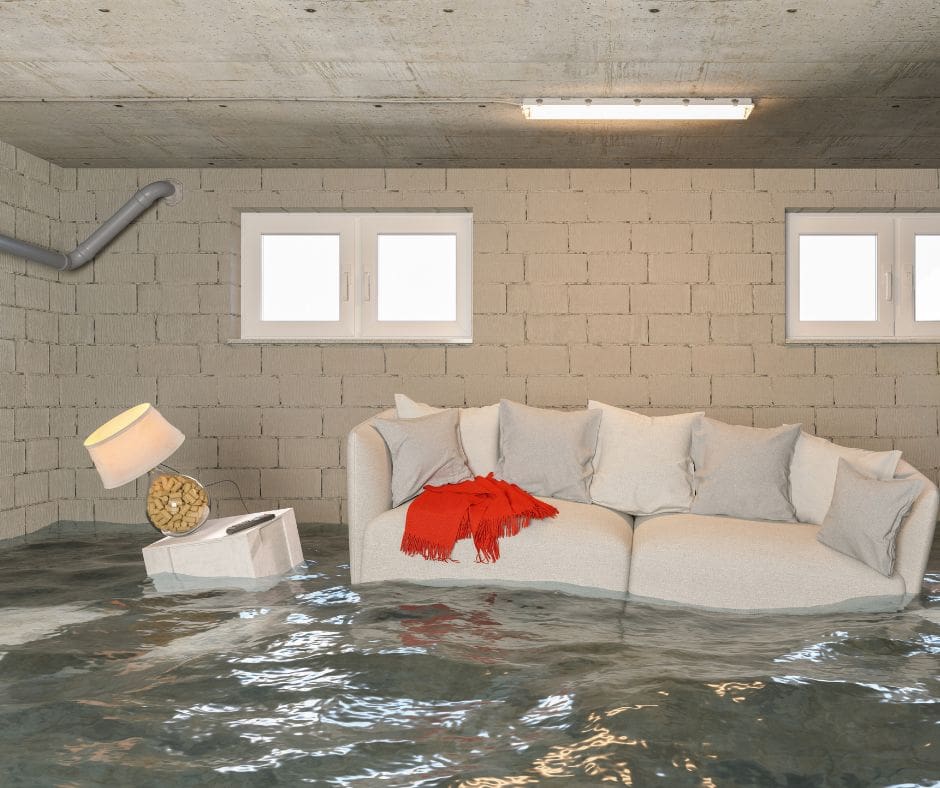
A water or sewer backup is one of those problems no homeowner wants to face. Whether you discover water coming up through a basement drain, a failed sump pump, an overflowing sewer line, or several inches of water after a major storm, the first few steps you take can make a big difference.
At Navigate Risk Advisors, we believe insurance is about more than having a policy. It is about understanding your risks before something happens and knowing where to turn when it does. If you experience a water, sewer, or flooding problem, here are some important steps to consider.
1. Put Safety First
Before worrying about the damage, make sure everyone in the home is safe.
Water and electricity can be a dangerous combination. If there is standing water near electrical outlets, appliances, your electrical panel, furnace, or other equipment, do not enter the area unless you know it is safe.
Sewer water can also contain bacteria and other contaminants. Avoid direct contact with contaminated water and keep children and pets away from the affected area.
If you are uncertain whether an area is safe to enter, contact the appropriate emergency or restoration professional.
2. Try to Identify the Source
If it is safe to do so, determine where the water appears to be coming from.
Common causes can include:
-
A backed up sewer or drain
-
A failed or overwhelmed sump pump
-
A broken or leaking pipe
-
A water heater or appliance failure
-
Heavy rain or surface water entering the home
-
Groundwater entering through the foundation
-
Municipal sewer problems
Knowing the source is important because different types of water damage may be treated differently under an insurance policy.
3. Stop Additional Damage When Possible
Once everyone is safe, take reasonable steps to prevent the situation from getting worse.
Depending on the source, this could mean shutting off the home’s main water supply, contacting a plumber, calling a sewer or drain company, or having a restoration company begin emergency water mitigation.
Do not put yourself at risk or attempt repairs that should be handled by a qualified professional.
4. Document Everything
Before cleanup begins, document the damage as thoroughly as you reasonably can.
Take photos and videos showing where the water entered, the depth and extent of the water, damaged flooring and walls, affected furniture and personal property, and any equipment that may have failed.
If you need to remove damaged property for health or safety reasons, photograph it before disposal whenever possible.
Keep receipts for emergency services, cleanup, temporary repairs, equipment rentals, and other expenses related to the incident. These records may be helpful during the insurance claim process.
5. Contact Your Insurance Advisor
Contact your insurance agency as soon as reasonably possible to discuss what happened and review the next steps.
This is also where understanding your policy becomes especially important. Homeowners insurance does not automatically cover every type of water loss.
For example, coverage for a sewer or drain backup or sump pump overflow may require a specific water backup endorsement. Flooding caused by rising surface water is generally addressed through a separate flood insurance policy rather than a standard homeowners policy.
Coverage, deductibles, exclusions, and limits vary by insurance company and individual policy. Your actual policy language and the insurance carrier’s claim determination will ultimately determine whether and how a loss is covered.
6. Begin the Cleanup Process
Water damage can become more serious the longer moisture remains in the home. Once it is safe and appropriate to proceed, working with qualified professionals can help reduce additional damage.
Depending on the severity of the loss, you may need a plumber, water mitigation company, sewer and drain professional, electrician, HVAC contractor, or other qualified service provider.
Save invoices, estimates, reports, and receipts from everyone involved.
Water Backup and Flood Insurance Are Not the Same Thing
This is an important distinction for homeowners.
A sewer or drain backup can occur when water or sewage backs up through a drain or when a sump pump fails or becomes overwhelmed. Depending on your policy, this type of loss may require optional water backup coverage.
A flood generally involves water coming from outside the home and affecting normally dry land, such as rising water after prolonged rain or an overflowing body of water. Flood losses are generally excluded from standard homeowners policies and require separate flood insurance for coverage.
Because the cause of water damage matters, never assume something is covered simply because you have homeowners insurance.
The Best Time to Review Your Coverage Is Before the Water Starts Rising
No one wants to stand in a wet basement wondering what their insurance policy covers.
Take a few minutes to review your homeowners policy and ask some important questions: Do I have water and sewer backup coverage? What is my coverage limit? What deductible applies? Do I have flood insurance? Is the amount of coverage appropriate for a finished basement and the property I keep there?
At Navigate Risk Advisors, our job is to help you understand the risks you face and the coverage you have in place so you can make informed decisions before a loss occurs.
If you are unsure how your current policy addresses water backup, sewer backup, sump pump failure, or flood exposure, contact our team at Navigate Risk Advisors. We would be happy to review your coverage with you and help you navigate the options available to protect your home and family.
This information is provided for general educational purposes and is not a guarantee of insurance coverage. Coverage varies by policy, insurance carrier, endorsements, limits, exclusions, and the specific circumstances of a loss. Please refer to your policy and contact your insurance professional regarding your individual coverage.