
Putting Your Vehicle Away for the Winter
Once the weather turns here in Northeast Ohio, a lot of summer toys get tucked away until spring. Convertibles, classic cars, motorcycles, campers and boats all spend a few months parked in a garage, a barn or a storage unit.
Storing a vehicle for the winter is a great time to save a little on your insurance. It’s also a time when coverage gaps can sneak up on you. Here’s how we usually handle it, plus a few tips to make sure your vehicle comes out in spring looking the way you left it.
Why we remove liability but keep comprehensive and collision
Liability coverage pays for injuries or damage you cause to other people while you’re driving. If the vehicle is parked for the season and nobody is driving it, that risk goes away for a while. Removing liability during storage is often where the savings come from.
The vehicle itself is still at risk, though. Comprehensive covers things like fire, theft, vandalism, hail, falling objects and animals. Mice chewing through wiring over the winter is more common than you’d think.
Collision is the other piece. Many lenders and leasing companies require you to keep both comprehensive and collision for as long as there’s a loan on the vehicle, even when it isn’t being driven. Collision may also help if your parked vehicle is hit by another vehicle. Every carrier handles storage coverage a little differently, so we’ll walk through what makes sense for your vehicle and your policy.
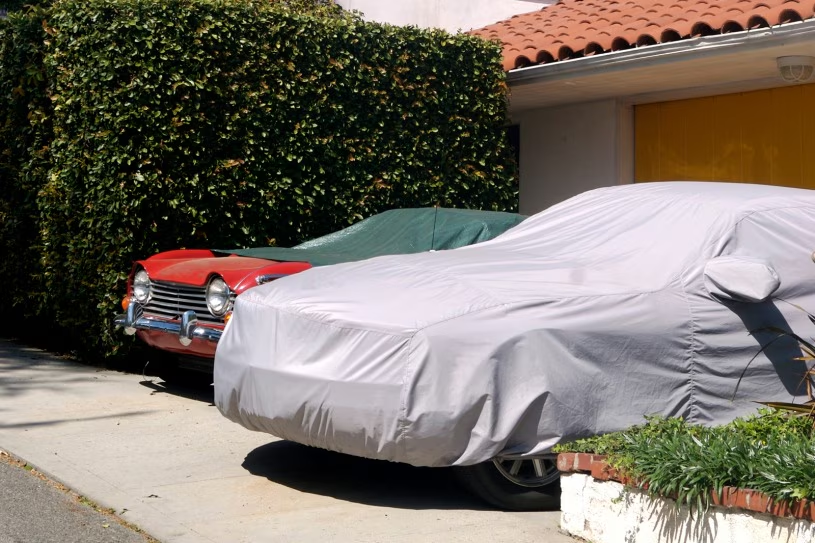
Where it’s stored matters too. A vehicle parked outside in a driveway, yard or lot, even with a good cover on it, is still exposed all winter. Hail, heavy snow and falling branches can damage it, it’s easier to steal or vandalize, and another car could slide into it or back into it. Comprehensive helps with weather, theft and vandalism, and collision may help if another vehicle hits it. That’s a big reason we like to keep both in place while it’s parked.
Before you make any changes
Please talk with us before you remove anything from your policy. A few things to keep in mind:
-
If you have a loan or lease, check your agreement. Most lenders require comprehensive and collision for the life of the loan.
-
Check your state’s registration rules. Some states expect liability coverage on any registered vehicle, whether it’s being driven or not.
-
Don’t drive it while liability is off. Not even a quick trip around the block or to the gas station. Without liability, you have no protection if you cause an accident.
We’ll help you sort out what applies to your situation so there aren’t any surprises.
Tips to keep it looking nice until spring
A little prep in the fall saves headaches later.
-
Wash and wax it. Dirt, salt and bird droppings can damage paint if they sit all winter.
-
Fill the tank and add fuel stabilizer. A full tank helps keep moisture out, and the stabilizer keeps the fuel fresh. Run the engine a few minutes so it gets through the system.
-
Change the oil. Old oil can hold contaminants that aren’t great for the engine over a long sit.
-
Take care of the battery. Use a battery tender or disconnect it so it isn’t dead in April.
-
Watch the tires. Inflate them to the recommended pressure to help prevent flat spots.
-
Keep critters out. Block the tailpipe and air intake with steel wool (and leave yourself a reminder to remove it). Skip the food and wrappers inside.
-
Use a breathable cover. A cover made for vehicles keeps dust off without trapping moisture.
-
Clean the inside. Vacuum, remove trash and consider a moisture absorber to help prevent mildew and odors.
-
Take a few photos. Pictures of the vehicle and its condition before storage are helpful to have if you ever need to file a claim.
Storing it at home? Your homeowners policy likely won’t cover it
This one surprises a lot of people. If your car, motorcycle or camper is parked in your garage for the winter, your homeowners policy generally does not cover the vehicle itself. Homeowners policies typically exclude motor vehicles, even when they’re sitting on your property.
So if the garage catches fire or someone breaks in and damages your stored car, the vehicle would need to be covered by its own policy, usually through comprehensive. That’s one of the biggest reasons we don’t recommend canceling coverage completely while a vehicle is stored.
Using a storage unit or facility
If you’re renting a storage unit or indoor vehicle storage, don’t assume the facility’s insurance protects your vehicle. Their coverage is generally there to protect the business, not what you’re storing. Many facilities will also ask you to show proof of your own insurance or offer to sell you a protection plan.
The vehicle should stay covered under its own auto, motorcycle, RV or boat policy. If you’re also storing household items in the unit, your homeowners or renters policy may cover some of them away from home, but there are often limits. Give us a call and we’ll review what’s covered before you move anything in.
Getting back on the road in spring
When the weather warms up, please reach out to us before the first drive so we can add liability back to your policy. Coverage changes aren’t automatic, and we want to make sure everything is in place before you take it out.
Putting a vehicle away for the season or not sure what your policy covers while it’s stored? Reach out to the Navigate Risk Advisors team at 440-871-0110 or info@navigatera.com. We’re happy to review your coverage and help you find the right fit.
This article is for general information only. Coverage depends on your specific policy, carrier and state requirements. Please contact us to review your situation before making any changes to your coverage.



