Fireplace and Fire Pit Safety: Indoor and Outdoor Tips for Ohio Homeowners
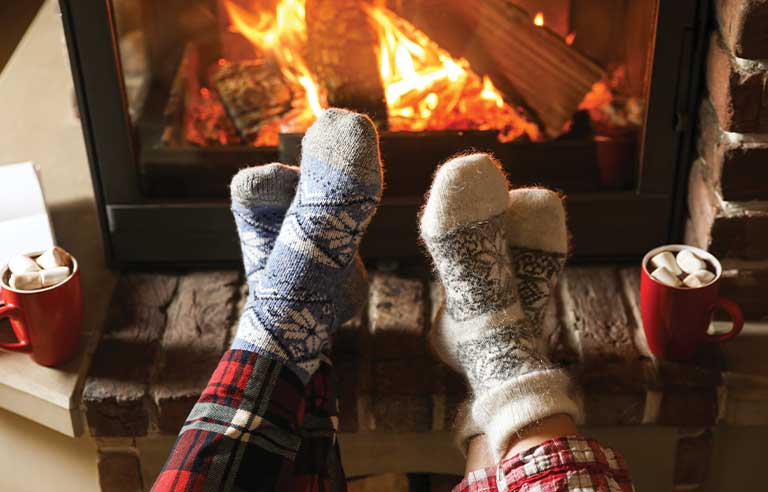
There is nothing quite like a fire on a cold Ohio evening. Whether it is the fireplace in the living room or a fire pit out back with a blanket and a mug of something warm, this is the time of year people start using them again.
It is also the time of year to give them a quick safety check. Most fireplace and fire pit problems are easy to prevent, and a little prep now can save a lot of trouble later.
Indoor fireplaces and wood stoves
Get the chimney inspected. If you have not used your fireplace since last winter, have the chimney checked and cleaned by a certified chimney sweep before the first fire. Soot and creosote build up inside the chimney over time, and creosote can catch fire. Cracks, nests, and blockages can also cause smoke and carbon monoxide to back up into the house.
Burn the right wood. Use dry, seasoned hardwood. Wet or green wood smokes more and builds up more creosote. Do not burn trash, cardboard, wrapping paper, or treated wood.
Never use gasoline or lighter fluid. Use fire starters made for fireplaces and keep flammable liquids far away.
Use a screen. A sturdy screen or glass doors help stop sparks and rolling logs from reaching your floor or rug.
Keep things back. Keep furniture, curtains, blankets, holiday decorations, and stockings at least three feet from the fireplace. This is a good reminder before the decorating starts.
Open the damper. Make sure it is fully open before you light a fire and stays open until the fire is out and the ashes are cold.
Never leave a fire unattended. Put the fire out before you leave the house or go to bed. Keep kids and pets a safe distance away.
Handle ashes carefully. Ashes can stay hot for days, even when they look cold. Scoop them into a metal container with a lid and keep it outside, away from the house, deck, and garage. Do not put them in a paper bag, a plastic bin, or the trash.
Gas fireplaces need attention too. Have them serviced every year, and keep the glass and vents clear.
Outdoor fire pits and fireplaces
Pick a good spot. Place your fire pit on level, non-flammable ground, well away from your house, garage, shed, deck, fence, and low tree branches. Check what your city or township allows, because rules on open burning and distance vary.
Check the wind. If it is windy, skip it. Sparks travel farther than you would think.
Be ready. Keep a bucket of water, a garden hose, or a fire extinguisher nearby. A shovel is useful too.
Keep it small. A big fire is harder to control. Do not use gasoline or other accelerants, and do not burn trash or yard waste unless local rules specifically allow it.
Keep the wood pile away. Store firewood at a safe distance from the house and the fire pit.
Put it all the way out. Spread the embers, douse them with water, stir, and douse again until nothing is hot to the touch. Never leave a fire pit smoldering overnight.
Watch the alcohol and the kids. A fire pit is a great place to gather. It is also a place where people get distracted, so make sure someone stays alert.
Smoke and carbon monoxide alarms
This is a good time to check your alarms, especially since the clocks just changed. Our friends at PuroClean recommend:
-
Alarms on every level of the home, including the basement, and outside every sleeping area
-
Testing them every month and changing the batteries twice a year
-
Replacing alarms that are about 10 years old
-
Making sure everyone in the house knows what the alarm sounds like and what to do
Carbon monoxide alarms matter if you have a fireplace, wood stove, gas appliances, or an attached garage.
Have a plan
PuroClean also reminds homeowners to plan ahead. Know two ways out of each bedroom, pick a meeting spot outside, and make sure everyone knows how to reach each other. Practice it, even with kids. It feels silly until you need it.
If a fire happens
First, get everyone out and call 911. Once everyone is safe, here is what PuroClean suggests:
-
Contact your insurance agent or carrier as soon as you can to start the claim.
-
Start a list of what was damaged or lost. Photos and videos help.
-
Call a restoration company that handles fire and smoke damage, board-up, and pack-out of your belongings.
We work with PuroClean Emergency Restoration here in Northeast Ohio. They handle water, fire and smoke, mold, and biohazard cleanup, and they are available 24/7 at (440) 653-8222. Cleanup after a fire is not something most people want to figure out on their own, and the sooner it starts the better.
What this means for your insurance
Homeowners policies often include coverage for fire, but what is covered and how much depends on the policy, its terms, and its exclusions. A few things are worth checking:
-
Wood stoves and added heat sources. Some carriers ask about wood stoves, fireplace inserts, or outdoor fireplaces, and some have requirements for them. If you have added one, let us know so we can make sure your policy reflects it.
-
Your limits. Would your coverage rebuild your home and replace your belongings at today’s costs?
-
Additional living expenses. If a covered loss makes your home unlivable, some policies can help with temporary housing costs.
-
A home inventory. It is much easier to file a claim if you already have a list and photos of your belongings.
If you are not sure what your policy includes, we are happy to look at it with you.
A quick checklist before the first fire
-
Schedule a chimney inspection and cleaning
-
Test your smoke and carbon monoxide alarms
-
Clear the area around the fireplace and fire pit
-
Stock dry, seasoned wood
-
Set up a metal ash bucket
-
Keep a fire extinguisher where you can reach it
-
Review your family fire escape plan
-
Take a quick look at your homeowners policy
Questions about your coverage?
Enjoy the fires, stay safe, and give us a call or send us an email if you want a second set of eyes on your home policy. No pressure, just answers.
Navigate Risk Advisors 440-871-0110 navigateriskadvisors.com
This post is for general education only and is not a substitute for advice from a certified chimney professional or your local fire department. Coverage depends on the specific policy, its terms, and its exclusions. Please review your policy with your agent for details.