Most of us think about lawn care in terms of how the yard looks. A trimmed lawn, some fresh mulch, maybe a few flowers by the front porch. But there’s actually a practical side to yard upkeep that a lot of homeowners don’t think about until it becomes a problem, and that’s how it connects to your homeowners insurance.
Let’s break down why keeping your lawn clean and free of debris or overgrown foliage matters more than you might expect.
Overgrown Yards Can Create Liability Risks
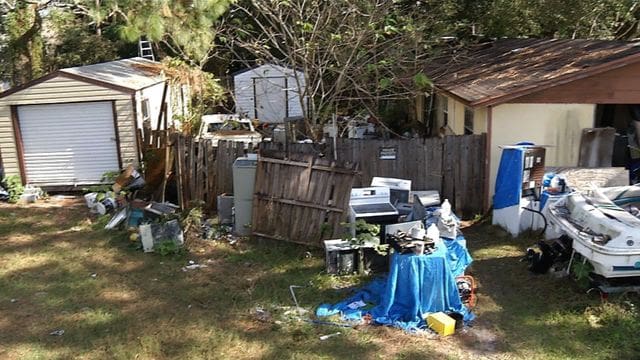
If someone visits your home and trips over a fallen branch, uneven ground hidden by tall grass, or debris left in a walkway, that could turn into a liability claim. Most homeowners policies include liability coverage, but if a hazard was something you reasonably should have fixed, insurance companies and courts may look closely at whether the property was properly maintained.
A quick walk through your yard every so often to check for things like fallen limbs, holes, or clutter near walkways goes a long way toward keeping guests safe, and keeping your risk lower too.
Debris Can Attract Pests
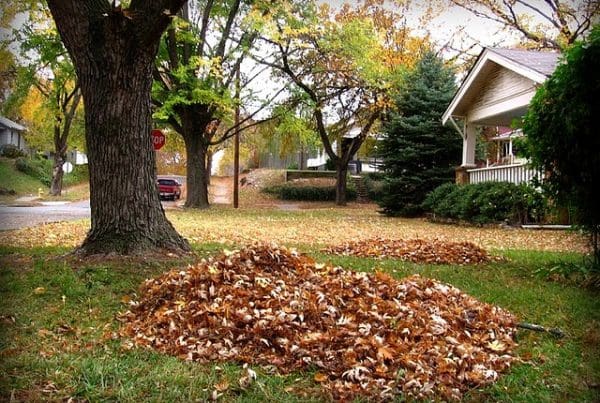
Piles of leaves, branches, or overgrown brush create the perfect hiding spot for pests like rodents, termites, and even snakes. Pest damage isn’t always covered under a standard homeowners policy, so prevention matters here. Keeping debris cleared away regularly helps reduce the chances of an infestation that could otherwise become a costly, uncovered repair.
Overgrown Foliage Can Be a Fire Risk
Dry brush, tall grass, and piles of leaves can act as fuel if a fire ever starts nearby, whether from a grill, a lightning strike, or something else entirely. Keeping foliage trimmed and debris cleared, especially near the house itself, helps reduce that risk and gives you one less thing to worry about during dry summer months.
Trees and Branches Near the House
An overgrown tree with dead or overhanging branches can become a real problem during a storm. Fallen branches can damage your roof, siding, or a vehicle parked nearby. While storm damage is typically covered under most homeowners policies, some insurers may ask about tree maintenance when reviewing a claim, especially if the tree was already showing signs of decay or disease beforehand.
A Few Easy Habits That Help
-
Walk your property every few weeks to check for fallen branches, holes, or debris
-
Trim back bushes and trees that are getting close to the house or walkways
-
Clear leaves and yard waste regularly instead of letting it pile up
-
Keep an eye on any trees that look unhealthy or have dead limbs
None of this needs to be a big project. A little consistent upkeep goes a long way toward keeping your property safe and your coverage working the way it should.
We’re Here If You Have Questions
If you’re ever unsure whether something in your yard could affect your coverage, or you just want a second set of eyes on your policy, we’re always happy to help. Reach out anytime.