
Water Backup Coverage: What It Is and Why Your Homeowners Policy May Not Include It
Most people assume that if water damages their home, their homeowners policy will take care of it. Sometimes that is true. Other times, it depends on where the water came from.
Water backup is one of the most common surprises we see, and it is much easier to talk about before a claim than after one.
What is water backup?
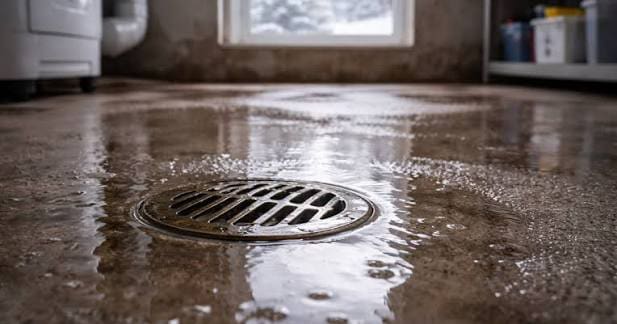
Water backup is when water comes back up into your home through a drain, sewer line, or sump pump system. A few examples:
-
A sewer line gets clogged and water comes up through a basement floor drain
-
Heavy rain overwhelms the sewer system and it backs up into your home
-
A sump pump stops working, loses power, or gets overwhelmed and the basement takes on water
It usually shows up in the basement, and it can be messy, expensive, and stressful.
Does a standard homeowners policy cover it?
In many cases, no. A standard homeowners policy often excludes water that backs up through sewers or drains, or overflows from a sump pump. Many carriers offer that protection as an add-on, sometimes called an endorsement or a rider.
Every policy is a little different, so the wording matters. It is worth checking whether yours includes it, and if so, what the limit is.
How is this different from other water damage?
This is where it gets confusing, so here is a simple way to think about it.
Sudden plumbing or appliance leaks. A burst pipe or a washing machine hose that fails is often handled under the regular water damage part of a homeowners policy. Damage from a slow leak that went unnoticed or was not maintained may be treated differently.
Water backup. Water coming up through a drain or sump pump is the part that often needs the separate coverage.
Flood. Water that comes in from outside, like rising water from a storm or overflowing river, is generally not part of a homeowners policy at all. Flood coverage is usually a separate policy.
Because these three can sound alike, it helps to ask your agent which one a claim would fall under.
What should I ask about my coverage?
If you are not sure whether you have water backup coverage, these are good questions to ask:
-
Do I have water backup coverage on my policy?
-
What is the limit, and is it enough for how my basement is used?
-
Does it include a sump pump that fails or loses power?
-
Does it include a clogged drain or sewer line backup?
-
Is there a separate deductible?
If you have a finished basement, a laundry room, or a lot of belongings stored downstairs, the limit is worth a closer look. A basic limit can go quickly once flooring, drywall, furniture, and cleanup are added up.
What can I do to lower the risk?
Insurance is one piece of it. A few simple steps can help too:
-
Test your sump pump now and then by pouring water into the pit
-
Consider a battery backup for your sump pump, since storms often take out the power
-
Keep grease, wipes, and other things that do not belong out of your drains
-
Have your sewer line checked if you have mature trees nearby, since roots can cause problems
-
Keep valuables off the basement floor and in sealed totes if you can
A quick note on timing
Fall and spring are good times to look at this, since heavy rain is common in Northeast Ohio. It is also a good idea to ask about any changes before storm season instead of after one.
Not sure what you have?
If you are not sure whether your policy includes water backup, we are happy to take a look with you. No pressure, just answers. We can go over what is on your policy and talk through whether it makes sense for your home.
Navigate Risk Advisors 440-871-0110 navigateriskadvisors.com
This post is for general education only. Coverage depends on the specific policy, its terms, and its exclusions. Please review your policy or speak with your agent for details.



