
Aftermarket Parts and Auto Insurance: What You Need to Know Before You Modify Your Vehicle
Custom wheels, upgraded suspension, a new body kit, performance enhancements or other aftermarket accessories can make your vehicle feel like your own. But before making those changes, there is another question worth asking:
How will this affect my insurance?
It is something many vehicle owners do not think about until there is a claim. By then, it may be too late to find out that the value of those upgrades was never included in the insurance policy.
What Are Aftermarket Parts?
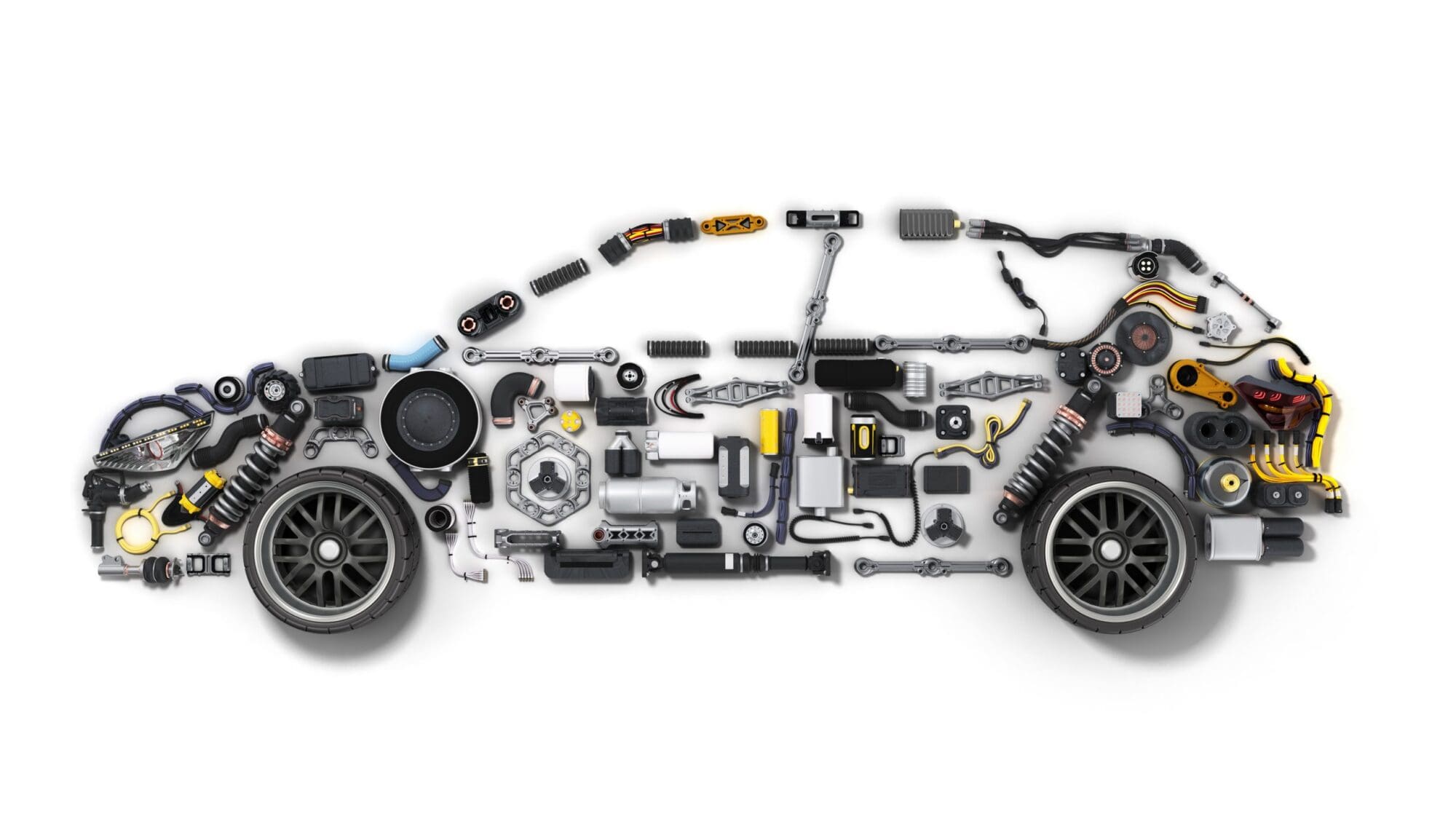
Aftermarket parts and equipment generally include items that were not part of the vehicle’s original factory equipment. Depending on the vehicle and modification, examples can include:
-
Custom wheels and tires
-
Lift or lowering kits
-
Aftermarket suspension
-
Body kits and spoilers
-
Custom lighting
-
Performance upgrades
-
Audio and entertainment systems
-
Custom paint or wraps
-
Other equipment added after the vehicle was manufactured
Not every modification creates an insurance problem. The important part is making sure your insurance company knows what is actually on the vehicle.
Tesla Is a Great Example
Tesla vehicles are a good example of why this conversation matters.
Tesla specifically recommends genuine Tesla parts and accessories and states that it cannot assess parts manufactured by other companies. Tesla also warns that damage caused by non-approved parts, accessories or modifications may not be covered under the vehicle’s warranty.
Tesla’s repair guidance goes even further. For certain models, its service manuals state that repairs should use new Tesla parts rather than used, recycled, alternative, aftermarket or third-party replacement parts.
That does not mean that your auto insurance automatically excludes every aftermarket part on a Tesla. Your insurance coverage is determined by your individual policy and insurance carrier. However, it does illustrate why modifications need to be discussed with your insurance advisor before a loss occurs.
The $50,000 Car Might Really Be a $60,000 Car
Here is where the insurance side becomes important.
Imagine purchasing a vehicle for $50,000 and then spending another $10,000 on custom wheels, suspension, body modifications and other upgrades.
You now have $60,000 invested in the vehicle.
But does your insurance company know that?
If those modifications were never disclosed, you should not assume that a claim settlement will automatically include the full amount you spent upgrading the vehicle. Depending on your policy, aftermarket equipment may have specific coverage limitations, require an endorsement or need to be specifically listed.
That can become especially important after a theft or total loss.
Receipts showing that you spent thousands of dollars modifying a vehicle do not necessarily mean your insurance policy owes you that same amount. What your policy covers matters.
Tell Your Insurance Advisor Before You Make the Changes
Our recommendation is simple: before making significant modifications to a vehicle, talk with your insurance advisor.
Let us know what you are changing, how much it costs and whether the equipment is permanently installed. Keep your receipts, invoices and photographs as well.
Your advisor can then review the policy and determine whether the current coverage is appropriate or whether the modification needs to be disclosed to the insurance company.
The goal is not to prevent you from customizing your vehicle. It is to make sure there are no unnecessary surprises when you need your insurance the most.
Protect the Vehicle You Actually Own
Insurance works best when the policy accurately reflects the risk being insured.
If you have invested in aftermarket parts, custom equipment or major modifications, do not assume they are automatically covered simply because they are attached to the vehicle.
A quick conversation today can help you understand your coverage before an accident, theft or other loss puts it to the test.
Have you recently modified your car, truck, Jeep or Tesla? Contact Navigate Risk Advisors and let our team review your current auto insurance coverage with you.
Coverage varies by insurance carrier, policy form, endorsements and individual circumstances. This article is for general informational purposes and is not a guarantee of coverage. Please refer to your individual policy and speak with your insurance advisor regarding your specific coverage.



